
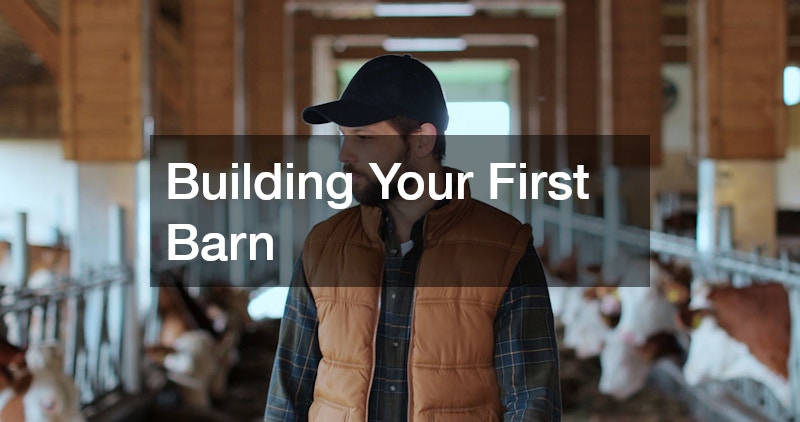
Breaking ground on a new agricultural outbuilding is a monumental milestone in property development, commercial farming, and land utilization. Whether you require a specialized structure to shelter high-value livestock herds, warehouse million-dollar harvesting combines, or store thousands of tons of seasonal feed crops, a barn represents a massive capital investment that alters the functional landscape of your property for generations. Because these large-format structures face a continuous barrage of extreme weather forces, intense internal mechanical loads, and unique biological pressures, their construction cannot be approached with a casual, weekend-handyman mindset.
Far too many landowners jump into the building process without executing a comprehensive engineering and logistical analysis, only to watch their investments suffer from poor site drainage, structural steel buckling, or premature clearcoat degradation. Shifting away from a reactive, unguided approach requires entering the construction pipeline with the mindset of a strict civil engineer. Every phase of the development cycle, from the initial evaluation of subsurface soil bearing capacities and the precise calculation of regional wind-uplift metrics to the deployment of advanced moisture-barrier roof systems, must be thoroughly planned, mapped, and audited. By prioritizing specialized industrial subcontractors, investing in high-durability materials, and building in deep defense systems against natural disasters, you protect your hard-earned capital and establish a lean, hyper-efficient infrastructure asset. This guide serves as the definitive construction blueprint for navigating your first agricultural building project from the initial site survey to the final trim adjustments.
Selecting the Ideal Structural Engineering Framework
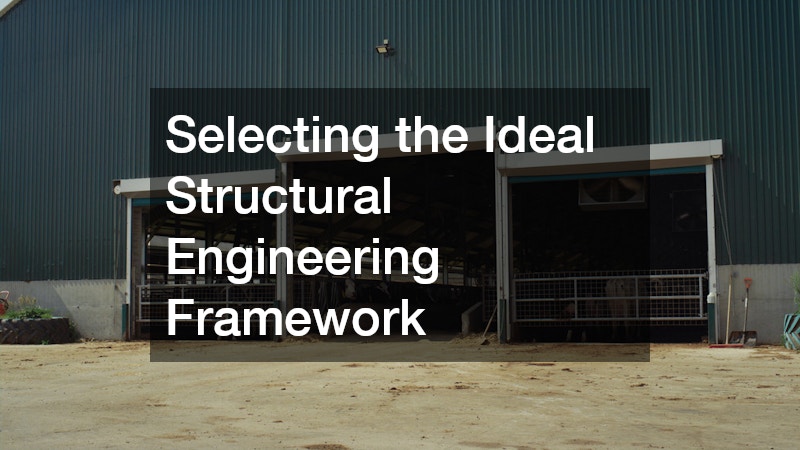
The absolute baseline for a successful agricultural build begins within the design studio, where you must select the core structural engineering framework that will support your operations. Modern outbuildings have evolved far past the simple, hand-hewn timber frames of the past, transforming into highly engineered structural systems designed to maximize interior volume while reducing long-term maintenance overhead.
For property owners working within tightly defined capital parameters who still require exceptional structural strength, focusing on shallow-footing, post-frame structures is incredibly effective. Utilizing deeply bored earth foundations to anchor heavy, chemically treated timber columns allows modern pole barns to deliver incredible resistance against extreme lateral wind loads and heavy winter snowpacks on a highly compressed assembly timeline. However, when your operational parameters demand vast, completely open internal spans without a single load-bearing column disrupting your interior floor plan, you must shift your engineering focus toward rigid-frame steel fabrications. Investing in heavy-gauge commercial steel allow modern agribusinesses to erect clear-span metal buildings that provide unhindered spatial freedom to easily maneuver massive grain combines, stage heavy industrial sorting machinery, or configure multi-tier interior mezzanine storage decks with absolute safety.
- Analyze localized environmental design loads: Always cross-reference your structural designs with local municipal data to ensure the building can easily withstand the absolute worst-case scenario regional snowpacks and wind velocities.
- Verify ground-burial timber ratings: Ensure all structural timber posts designated for direct earth contact feature a minimum chemical retention level of forty to sixty hundredths of a pound per cubic foot to permanently prevent subsurface insect destruction and wood decay.
- Plan for future structural modularity: Select an engineering design that allows for the seamless addition of secondary lean-tos or structural bay extensions as your agricultural operations scale over time.
Managing Subsurface Soils and Foundation Topography
Once you have finalized your engineering framework, the focus shifts directly to the earth beneath your future structure. The ultimate structural lifespan of any building is completely dependent upon the stability, composition, and leveling of the ground supporting its primary footings. Placing a multi-ton structural envelope on raw, uncompacted topsoil or across a natural drainage path will inevitably lead to severe structural settling, cracked concrete slabs, fractured utility conduits, and persistent internal flooding issues.
Before a single framing component arrives on your property, you must retain heavy machinery operators to execute a rigorous site excavation. This vital phase requires stripping away all organic topsoil layers, cutting down high-grade zones, filling in low depressions with clear structural fill dirt, and running heavy vibratory compactors to establish an ironclad, perfectly level building pad that completely resists shifting under intense machinery loads. To ensure this critical dirt work and the subsequent structural framing fully align with regional structural codes and zoning parameters, you must carefully choose your building partner. Bypassing unverified general laborers to secure a licensed, bonded, and highly specialized barn builder ensures your project is managed by professionals who understand agricultural real estate dynamics, possess specialized post-setting machinery, and maintain the precise laser-leveling gear required to guarantee a flawless structural start.
- Establish negative perimeter grading rules: Design your site pad so that the final exterior soil levels slope downward and away from your perimeter walls at a drop of at least six inches over the first ten horizontal feet to prevent water from pooling against your footings.
- Execute dynamic soil compaction testing: Mandate a professional nuclear density test on your compacted sub-base fill dirt to verify the site hits at least ninety-five percent of maximum dry density before pouring concrete or setting heavy support post footings.
- Map out heavy utility access pipelines early: Trench and place all primary subsurface electrical conduits, main water trunk lines, and drainage pipes deep beneath the compacted pad before setting the final foundation perimeter.
Engineering a Bulletproof External Weather Shield
The primary defensive envelope of an agricultural building sits directly at the roofline, where the structure must endure a relentless, multi-decade barrage of ultraviolet radiation, blistering summer heat waves, torrential rains, and shearing wind storms. Because agricultural roof structures feature massive surface areas, selecting low-tier materials or executing poor installation procedures will rapidly lead to persistent moisture infiltration that can ruin internal inventories and rot your structural columns.
To guarantee complete moisture exclusion, property owners must navigate the broad options available across the modern commercial roofing sector to select high-durability, weather-tight solutions. For modern steel and post-frame structures, utilizing premium corrugated or standing-seam metal roofing systems represents the absolute peak of material performance. These advanced steel panels feature multi-layer zinc or aluminum-zinc alloy protective coatings that are completely immune to wind-tear, cracking, and rot. However, the true security of a steel roof depends entirely upon the design of its fastener loops. Investing in premium panels that utilize concealed standing-seam clips or heavy-duty fasteners equipped with UV-stabilized EPDM rubber washers prevents the premature leak patterns that frequently plague cheaper, exposed-fastener steel roofs when they experience cyclical thermal expansion and contraction over changing seasons.
- Deploy specialized anti-condensation barriers: Always apply a factory-bonded fleece condensation blanket or thick closed-cell spray foam insulation directly to the undersides of your metal panels to stop internal ceiling sweating during rapid temperature drops.
- Select reflective cool-roof finish pigments: Specify high-performance silicone-modified polyester coatings engineered with solar-reflective pigments to deflect up to seventy percent of solar infrared heat, keeping your internal building temperatures cool without high air-conditioning bills.
- Incorporate high-volume ridge vent systems: Install a continuous, baffled ridge ventilation matrix along the peak of your roofline to facilitate natural convection airflows that constantly exhaust internal heat and moisture.
Securing Specialty Trades for Envelope Integrity

The physical assembly of large-format steel paneling and structural framing requires an exceptional level of mechanical precision, specialized equipment handling, and strict adherence to geometric alignment parameters. Attempting to align and fasten massive twenty-foot steel sheets during high winds without specialized safety gear or applying incorrect torque parameters to structural fastening screws is a recipe for a structural failure.
To maintain absolute structural integrity throughout the exterior shell completion phase, you must retain an experienced, highly specialized metal roofer who possesses the heavy-duty sheet-metal brakes, suction lifting rigs, and calibrated torque-sensing tools required to handle large-format metal systems. These advanced enclosure specialists ensure that all complex eave transitions, sidewall flashings, and internal roof valleys feature perfect overlapping seams and water-tight chemical seals that completely deny access to wind-driven rain and driving snow. This precise attention to envelope detail is especially vital when managing the construction of highly industrialized, pre-engineered custom metal buildings. Because these advanced structures are manufactured with precision, bolt-together steel connections designed to accommodate custom overhead crane bays, heavy sliding utility doors, and industrial mezzanine spaces, the entire frame must be erected by specialized crews who follow the exact torque and sequence diagrams specified by the structural fabrication plant.
- Enforce rigid non-reactive fastener standards: Mandate that all exterior assembly screws and rivets feature non-reactive stainless steel or heavy mechanical zinc coatings to completely eliminate the risk of destructive galvanic corrosion when they contact the structural panels.
- Install commercial-tier foam closure strips: Ensure your construction crew packs form-fitting, solid neoprene closure strips into all metal panel corrugation gaps at eaves, ridges, and baseboards to completely bar access to small insects, rodents, and wind-driven rain.
- Audit structural bolt torque settings: Require your structural erection team to verify the torque values on all main column structural connection bolts using a calibrated digital torque wrench to prevent frame alignment shifting under wind loads.
Designing Long-Term Defensive Systems Against Natural Disaster Pools
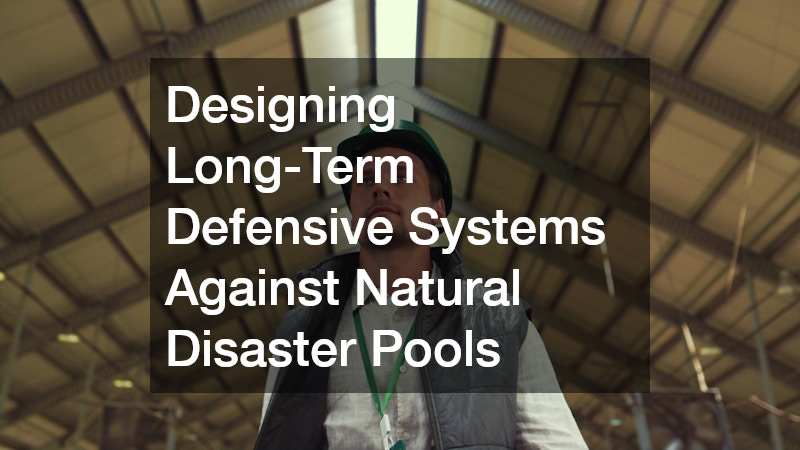
The final critical phase of building a premier agricultural facility centers on engineering robust internal defense systems capable of insulating your property from the devastating effects of natural disasters. When an unprotected barn encounters an internal flash fire, a sudden subterranean water line fracture, or severe regional overland flooding, the resulting capital losses can be absolutely catastrophic, instantly wiping out valuable livestock herds, destroying bulk winter feed crops, and ruining multimillion-dollar electronic equipment assets.
To fully neutralize the continuous threat of moisture infiltration and internal flooding, your facility design must incorporate advanced drainage loops and rapid-response infrastructure. If a plumbing failure or an extreme storm breach allows high-volume water accumulation inside your building envelope, you must immediately contact a certified, rapid-response water damage restoration service to deploy heavy-duty structural air movers, industrial desiccant dehumidifiers, and deep extraction pumps to completely dry the structural timber, frame walls, and concrete pads before toxic mold colonies can establish a permanent foothold. Simultaneously, the layout must address the hidden threat of spontaneous agricultural combustion. When damp, poorly dried hay bales are packed into unventilated structural storage bays, natural anaerobic bacteria thrive, generating internal heat that can spike past one hundred and seventy degrees Fahrenheit and ignite a sudden, devastating fire. Protecting your structure from this intense threat requires installing automated ventilation louvers, isolating high-risk storage zones, and creating a structural plan that allows you to easily clean out charcoal residues, check warped steel columns, and replace compromised paneling by executing immediate remediation loops following localized fire damage.
- Segregate primary structural risk zones: Design your building footprint to place high-risk hay curing storage and hazardous fuel maintenance bays in separate, fire-walled wings fully isolated from your main livestock and main technology centers.
- Install automated environmental monitor networks: Deploy continuous digital thermal tracking probes directly inside bulk hay storage stacks and main electrical rooms to sound automated alarms long before critical heat thresholds are breached.
- Configure perimeter curtain drainage arrays: Excavate and backfill a deep, gravel-filled French trench drain system around the entire exterior perimeter of your building pad to intercept and redirect subsurface groundwater tables during spring thaws.
Successfully completing your first agricultural barn build is a magnificent masterclass in proactive property planning, rigorous material selection, and executive civil engineering oversight. As this comprehensive guide details, constructing a resilient, future-proof outbuilding is never a matter of luck or casual adjustment; it is a calculated reward captured by landowners who systematically engineer their structures to completely eliminate environmental risks, handle intense mechanical forces, and optimize interior workflows. By executing a meticulous, phase-by-phase building strategy, you transform what is traditionally a high-stress construction project into an orderly, value-generating asset evolution.
As you step forward to command your property’s physical transformation, choose to operate from day one with the total strategic clarity of an elite site engineer. Reject the temptation to cut corners on initial soil leveling, compromise on your structural framing weights, settle for unverified general laborers, or ignore the critical engineering advantages of premium metal roof systems. Take immediate command of your development logistics this week: review your localized zoning and environmental code sheets, evaluate your subsurface terrain profiles, interview specialized post-frame and rigid-steel fabrication subcontractors, and finalize your long-term disaster-prevention frameworks. By taking absolute control of your construction planning and fortifying your physical structure against external elements today, you completely wipe out early project gridlock, preserve your valuable capital infrastructure investments, and build a magnificent, multi-generational agricultural home designed to accelerate your operational velocity and protect your legacy for decades to come.
