
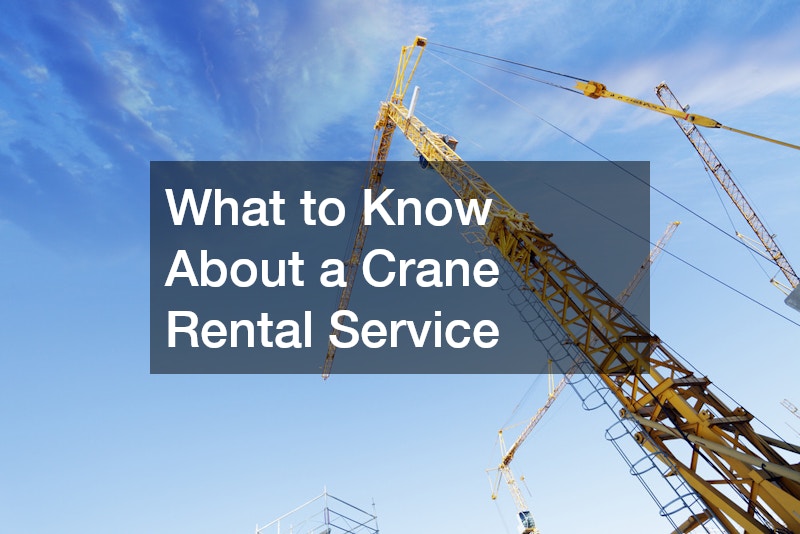
Heavy lifting operations form the backbone of modern construction, industrial manufacturing, and infrastructure development. Whether setting massive structural steel beams, positioning oversized HVAC units on commercial rooftops, or moving heavy machinery within a facility, access to reliable lifting machinery is critical. For most project managers and general contractors, purchasing and maintaining a fleet of heavy equipment is financially impractical. Partnering with a professional crane rental service offers a flexible, cost-effective solution that grants access to specialized machinery, expert operators, and comprehensive job site safety protocols tailored specifically to your project requirements.
Understanding Available Crane Fleet Types
Selecting the correct machinery is the foundational step of any successful lift plan. A professional machinery supplier maintains a versatile fleet designed to handle diverse terrain, weight requirements, and spatial limitations.
Understanding these equipment categories ensures you secure the right capacity for your job site:
-
Mobile Hydraulic Cranes: Highly versatile and swift to set up, mobile hydraulic units can travel on public roadways and handle heavy lifting tasks across commercial and residential development sites.
-
Rough-Terrain Cranes: Outfitted with heavy-duty rubber tires, four-wheel drive, and wide outriggers, these units excel on uneven surfaces, unpaved job sites, and mud.
-
Crawler Cranes: Mounted on heavy steel tracks, crawler units deliver exceptional stability and immense load capacities without requiring outriggers, making them ideal for long-term infrastructure and industrial projects.
-
Tower Cranes: Essential for high-rise urban construction, tower cranes offer unmatched height, extensive reach, and a compact footprint suitable for tight city environments.
Selecting a dedicated crane rental service gives you access to detailed load charts and equipment specialists who can precisely match the machine to your site conditions.
Bare Rental vs. Operated and Maintained Service
When arranging equipment hire, clients typically choose between two primary operational arrangements: a bare rental or an operated and maintained agreement. A bare rental provides only the machine itself, placing responsibility for fuel, daily maintenance, and operating personnel directly on the hiring contractor. This option works best for large construction firms that employ certified, full-time operators.
Alternatively, an operated rental package delivers the machinery alongside a licensed, highly trained operator and full technical support. Choosing an operated service minimizes project risks, as the equipment provider handles rigging setup, site safety compliance, routine maintenance, and skilled machinery operation. For complex maneuvers or tight site layouts, utilizing an experienced provider’s certified operator ensures the job is completed safely and efficiently.
Site Preparation and Job-Specific Lift Planning
Successful heavy lifting operations require meticulous planning long before the machinery arrives on-site. Professional equipment suppliers conduct thorough site assessments to evaluate ground stability, identify overhead power line hazards, measure swinging radiuses, and account for spatial obstacles. Operating heavy machinery on soft or uneven ground can lead to catastrophic tipping hazards, making ground compaction checks and outrigger pad placements essential.
Comprehensive lift planning involves calculating precise load weight, rigging capacity, wind speeds, and boom extension angles. Reliable equipment providers utilize 3D lift planning software to simulate every phase of the lift. Working alongside a structured crane rental service guarantees that all lift calculations adhere strictly to local engineering standards and federal safety regulations.
Maximizing Cost Efficiency and Reducing Capital Risk
Purchasing heavy lifting machinery involves immense capital outlay, ongoing depreciation costs, routine maintenance expenses, and storage overhead. Outsourcing these equipment needs allows contractors to convert heavy fixed expenditures into predictable, job-specific operational costs.
Partnering with an equipment provider ensures you receive fully inspected, modern machinery featuring the latest safety technology without incurring long-term maintenance liabilities. Furthermore, rental agreements can be tailored flexibly—whether for a single afternoon lift, weekly terms, or multi-month construction phases—allowing contractors to allocate project budgets with maximum financial control.
Prioritizing Safety Standards and Regulatory Compliance
Heavy lifting carries inherent risks, making safety adherence non-negotiable on any site. Reputable equipment suppliers strictly observe guidelines established by the Occupational Safety and Health Administration (OSHA) and the National Commission for the Certification of Crane Operators (NCCCO). Equipment undergoes rigorous pre-job inspections and scheduled maintenance protocols to prevent mechanical failure during operation.
A trustworthy partner provides fully certified rigging gear, detailed rigging plans, and dedicated signal persons to guide every maneuver smoothly. Entrusting your heavy lifting requirements to an experienced crane rental service mitigates liability, protects workers on the ground, and keeps your project compliant with all state and federal labor laws.
How to Select the Right Equipment Partner
Choosing the ideal service provider requires evaluating several factors beyond basic rental rates. Look for suppliers with a proven track record, extensive industry experience, valid insurance coverage, and transparent pricing structures. Ask potential partners about their fleet maintenance records, emergency repair response times, and operator certification standards.
Establishing a solid relationship with a dependable equipment provider ensures prompt scheduling, minimal downtime, and expert guidance whenever unexpected lifting challenges arise. Taking the time to vetting your equipment supplier guarantees your construction project stays on schedule, within budget, and fully protected.
Navigating a heavy lifting project requires balancing site safety, mechanical precision, and cost control. By partnering with a professional crane rental service, you gain access to state-of-the-art machinery, specialized technical expertise, and rigorous safety oversight customized to your specific building goals. Contact a trusted local equipment provider today to discuss your upcoming lift requirements, evaluate load capacity charts, and secure reliable machinery for your job site.
