
Managing a successful agribusiness in today’s economic and environmental climate requires a delicate balance between maximizing yields and protecting natural resources. Agricultural operations face rising input costs, unpredictable weather patterns, shifting regulatory frameworks, and changing consumer expectations. Long-term viability depends on moving past short-term extraction methods toward holistic, regenerative management strategies.
True sustainability in agriculture is multifaceted. It extends beyond basic soil conservation to encompass efficient infrastructure design, proactive equipment maintenance, responsible water stewardship, waste reduction, and rigorous legal protection. When every operational component, from the soil microbiome to boundary security and contractual agreements, works in harmony, an agribusiness becomes resilient against external market shocks.
This operational roadmap provides actionable, practical insights for farm owners, land managers, and agricultural entrepreneurs seeking to build a profitable, sustainable legacy.
Regenerative Land Management and Soil Health
Implementing Cover Cropping and Reduced-Tillage Systems
The foundation of any thriving agricultural enterprise lies beneath the surface. Healthy, biologically active soil acts as a natural sponge for water, a reservoir for essential nutrients, and a resilient defense against extreme weather events. Traditional intensive tillage breaks down soil aggregates, exposes organic matter to rapid oxidation, and destroys delicate fungal networks essential for nutrient uptake.
Transitioning toward reduced-tillage or no-till practices preserves soil structure and prevents topsoil erosion caused by wind and heavy rainfall. Pairing minimal tillage with strategic cover cropping creates a continuous living root system that feeds soil microbes year-round.
- Soil Microbiome Protection: Avoiding deep mechanical tillage protects mycorrhizal fungi and earthworms that build natural soil structure and pore space.
- Nutrient Fixing: Leguminous cover crops like crimson clover or hairy vetch fix atmospheric nitrogen naturally, reducing reliance on synthetic fertilizers.
To maximize these benefits, rotate cover crop species season-by-season based on specific nutrient deficiencies identified through comprehensive annual soil tests.
Optimizing Land Aesthetics and Non-Crop Ground Management
Sustainable land management extends beyond actively cultivated fields. The perimeter zones surrounding farm offices, equipment yards, processing facilities, and residential farmsteads play a crucial role in overall pest management and farm aesthetics. Allowing non-crop zones to become overgrown invites invasive weed species, destructive rodents, and unwanted insect pests.
Maintaining neat perimeter zones creates clean buffer strips that prevent weed seeds from blowing into primary crop rows. Outsourcing non-essential grounds maintenance, such as professional lawn services for administrative areas and farmstead green spaces, frees up valuable farm labor and machinery hours for core field operations during peak planting and harvest windows.
Strategically leaving native wild zones along external farm borders—while keeping internal operational pathways manicured—creates dedicated biodiversity corridors. These native borders harbor beneficial predator insects and native pollinators that support crop pollination and provide natural biological pest control across cultivated fields.
Smart Farm Infrastructure and Boundary Security
Securing Boundaries with Low-Maintenance Perimeter Barriers
Securing farm boundaries is essential for biosecurity, crop safety, and asset protection. Unrestricted access to farm property introduces biosecurity risks, such as soil-borne pathogens brought in by unauthorized vehicles, as well as crop damage from wildlife or livestock straying off neighboring properties.
Establishing durable physical barriers around high-risk zones, including equipment storage yards, chemical handling buildings, and post-harvest processing facilities, protects valuable assets from theft and vandalism. Installing a heavy-duty chain link fence along high-traffic perimeter zones, fuel depots, and machinery staging areas provides long-lasting security with minimal ongoing maintenance requirements.
- Biosecurity Control: Restricting access points allows farm managers to enforce vehicle decontamination protocols for visiting delivery trucks and contractors.
- Asset Protection: Enclosing machinery storage and tool bays prevents opportunistic theft and reduces insurance liability risks.
Integrating solar-powered security sensors along extended fence lines provides real-time alerts without requiring costly electrical grid extensions across distant farm acreage.
Designing Animal Enclosures for Safety and Land Preservation
For livestock and diversified operations, boundary management is directly tied to soil health and animal welfare. Poorly planned animal enclosures lead to overgrazing, severe soil compaction, manure runoff, and livestock injuries.
Rotational grazing systems divide large pastures into smaller paddocks, forcing livestock to graze evenly before being moved to fresh ground. This system allows grazed paddocks sufficient time to recover, preventing soil erosion and encouraging deep root development in pasture grasses. Securing these rotational boundaries requires strong, flexible containment systems tailored to specific animal species.
Utilizing specialized horse fencing designed with smooth, high-tensile materials or coated mesh prevents costly injuries to high-value animals while maintaining clear visual boundaries. Flexible containment systems allow farm managers to easily reconfigure paddock sizes as pasture growth rates change across seasons, ensuring optimal forage utilization and land recovery.
Sustainable Machinery Management and Equipment Lifespans
Extending Machinery Lifespans Through Preventive Maintenance
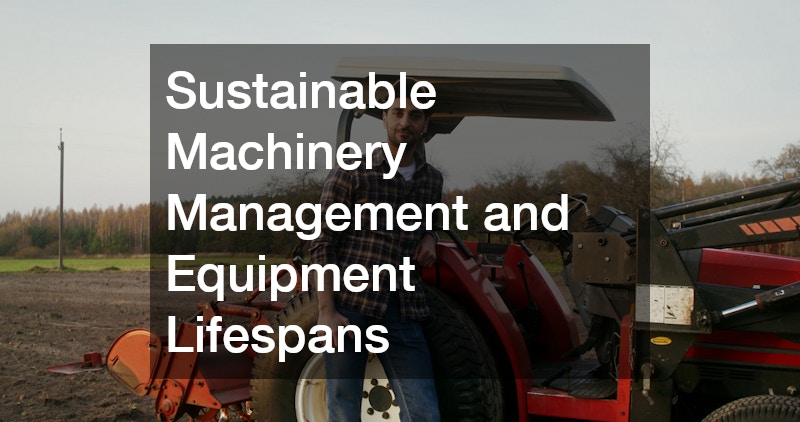
Farm machinery represents one of the largest capital expenditures for any agribusiness. Manufacturing new heavy machinery requires significant energy and raw materials; therefore, extending the operational life of existing tractors, combines, and implements directly reduces an operation’s overall carbon footprint while preserving capital.
Preventive maintenance programs catch component wear before it leads to catastrophic mechanical failure. Establishing strict service schedules for grease points, air filters, and fluid changes maintains engine efficiency and minimizes fuel consumption during heavy field operations.
- Fluid Analysis Programs: Regularly sampling engine oil and hydraulic fluids identifies microscopic metal wear and coolant leaks early, avoiding costly engine overhauls.
- Tire Pressure Optimization: Maintaining correct tire inflation reduces soil compaction in the field and minimizes tire tread wear during road transport.
- Sheltered Storage: Storing machinery inside covered sheds protects hydraulic hoses, electrical wiring, and cabs from UV degradation and weather damage.
Partnering with a reliable local farm machinery dealer ensures rapid access to original replacement parts and factory-trained technicians, drastically reducing machinery downtime during time-sensitive planting and harvesting seasons.
Transitioning to Precision and Clean-Fuel Implements
Adopting precision agriculture technology transforms conventional equipment fleets into highly efficient systems. GPS-guided auto-steer systems, section control sprayers, and variable rate application technologies eliminate overlap, ensuring seed, fertilizer, and crop protection products are applied at precise rates.
Right-sizing machinery to match specific field operations prevents unnecessary fuel waste. Pulling light implements with oversized, high-horsepower tractors burns excess fuel and accelerates subsoil compaction. Auditing farm equipment usage allows managers to assign appropriate horsepower levels to specific tasks, reducing fuel costs and engine wear.
Converting stationary equipment, such as irrigation pumps, grain dryers, and backup generators, to electric motors, solar arrays, or cleaner fuel sources further lowers direct farm emissions and operational expenses over time.
Post-Harvest Processing, Storage, and Direct Sales
Optimizing Grain Storage to Prevent Post-Harvest Loss
Harvesting a crop is only half the battle; preserving its quality during storage is essential for maintaining market value. Post-harvest losses caused by mold, insect infestation, high moisture levels, and temperature spikes erode profitability and waste valuable natural resources.
Proper grain bin design and aeration management are critical for maintaining grain quality. Stored grain requires constant temperature monitoring and controlled airflow to prevent moisture migration, which creates hot spots where mold and pests thrive.
- Temperature Monitoring: Digital temperature cables suspended inside storage structures provide early warning signs of spoilage or pest activity deep within the grain mass.
- Controlled Aeration: Running aeration fans during cool, dry low-humidity hours lowers grain temperatures and balances moisture content without chemical additives.
Working alongside an experienced grain bin designer ensures that storage facilities are engineered specifically for your regional climate, grain throughput, and expansion plans, maximizing airflow efficiency and structural durability.
Value-Added Processing and Local Supply Chain Integration
Commodity markets leave producers vulnerable to price volatility. Transitioning a portion of farm output into value-added products allows producers to capture higher profit margins, build resilient direct-to-consumer relationships, and retain economic value within the local community.
For livestock producers, processing animals locally cuts transport stress, reduces fuel consumption, and meets growing consumer demand for traceable, humanely raised protein. Establishing regional supply chains for direct-marketed meats allows farmers to set transparent pricing based on quality and sustainable production practices rather than accepting volatile stockyard commodity rates.
Developing value-added product lines requires careful planning, food safety compliance, and clear marketing. Obtaining niche certifications, such as organic, pasture-raised, or non-GMO verified, helps validate direct-market price premiums and builds long-term customer loyalty.
Waste Reduction and Resource Recovery
Streamlining Farm Cleanups and Material Recycling
Agricultural operations generate diverse waste streams, including scrap metal, worn tires, spent oil, plastic mulch, and damaged irrigation lines. Accumulating waste around the farmstead creates safety hazards, harbors pests, and risks environmental contamination if hazardous substances leach into the soil.
Establishing dedicated waste management zones keeps the farm orderly and compliant with environmental safety codes. Periodically scheduling a bulk dumpster rental during major seasonal cleanups enables workers to consolidate non-organic waste, segregate scrap metal for recycling, and dispose of bulky refuse responsibly.
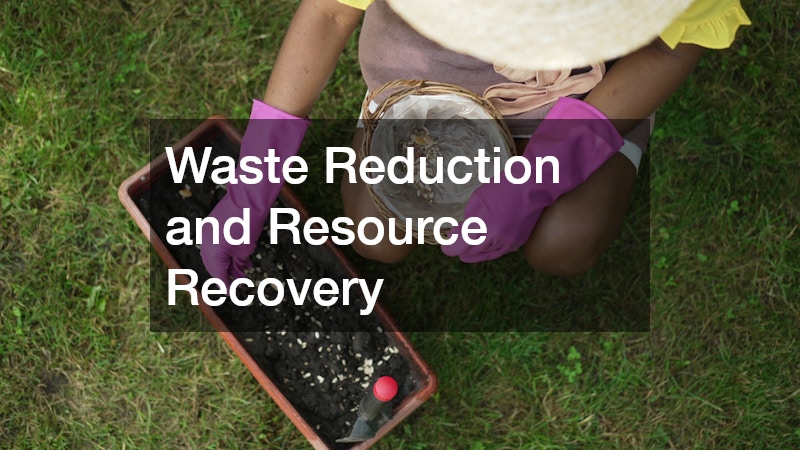
Composting organic waste streams, such as crop residues, livestock manure, and spoiled hay, transforms potential pollutants into rich organic soil amendments. Applying finished compost back onto fields improves soil organic matter, increases water holding capacity, and reduces synthetic fertilizer needs.
Water Conservation and Deep-Well Management
Water is one of the most critical inputs for agricultural production. Climate volatility and declining aquifer levels make efficient water management essential for long-term farm survival.
Upgrading overhead sprinkler systems to micro-irrigation or sub-surface drip irrigation delivers water directly to plant root zones, minimizing evaporative losses and foliage disease risks. Soil moisture sensors installed at various root depths provide real-time data, allowing managers to irrigate only when crops reach specific stress thresholds.
For groundwater-dependent operations, maintaining deep wells and pumping infrastructure is vital. Partnering with licensed well drillers ensures that agricultural wells are properly sited, cased, and sealed to prevent surface water contamination and drawdown issues. Installing high-efficiency variable frequency drive (VFD) pumps adjusts power usage based on real-time flow demand, cutting electricity costs significantly.
Rainwater harvesting systems installed on large barn roofs provide an additional source of clean water for equipment washing, chemical spraying mixes, and livestock watering, reducing pressure on primary groundwater supplies.
Risk Management, Compliance, and Business Succession
Navigating Environmental Regulations and Land Contracts
As environmental regulations tighten, agribusinesses face increasing oversight regarding water usage, nutrient runoff, chemical handling, and land use. Non-compliance can result in severe financial penalties, operational shutdowns, and reputational damage within the local community.
Developing a proactive compliance program protects the farm from legal vulnerabilities. Documenting fertilizer application rates, maintaining pesticide application logs, and establishing vegetated buffer strips along waterways demonstrate good-faith environmental stewardship and protect local watersheds.
- Lease Agreement Review: Structuring long-term agricultural leases with legal protection guarantees that land improvement investments, such as liming, tiling, or fencing, are protected.
- Zoning and Land Use: Verifying local zoning ordinances before constructing new processing facilities, farm stands, or storage structures avoids costly construction delays.
- Liability Protection: Drafting clear liability waivers and visitor policies protects agritourism and direct-sales operations from frivolous injury lawsuits.
Partnering with an experienced business attorney who specializes in agricultural law ensures contracts, employment agreements, land leases, and regulatory filings are structured properly to safeguard farm assets.
Planning for Generational Succession and Financial Resilience
A truly sustainable agribusiness must be capable of surviving generational transitions. Family farms often collapse during ownership transfers due to a lack of succession planning, unclear management structures, or tax liabilities that force land liquidations.
Establishing a formal succession plan years before a founder’s retirement creates a structured pathway for passing down operational leadership and land ownership. Utilizing legal entities, such as Limited Liability Companies (LLCs) or Family Limited Partnerships (FLPs), allows farm families to transfer equity incrementally while maintaining operational stability.
Diversifying income streams strengthens financial resilience. Integrating secondary revenue generators, such as agritourism, custom harvesting services, solar land leases, or carbon credit programs, buffers the farm’s cash flow against poor crop years or sudden market downturns.
Building a Resilient Agricultural Future
Sustainably managing an agribusiness is an ongoing process of continuous improvement rather than a static goal. True resilience requires integrating environmental stewardship with sound financial, operational, and legal management practices.
By nurturing soil health, securing infrastructure, extending machinery lifespans, optimizing post-harvest storage, conserving water, and establishing formal succession plans, agricultural producers safeguard their operations against both market volatility and environmental pressures.
Taking deliberate, incremental steps today creates a foundation for long-term profitability, ensuring that your agribusiness remains productive, profitable, and ready to feed future generations.
