
Making a commercial or industrial facility eco-friendly takes far more than replacing office fluorescent lighting with LEDs or switching to digital invoicing. True sustainability in modern B2B operations requires an honest, end-to-end evaluation of physical infrastructure, manufacturing processes, fleet maintenance, and vendor supply chains.
Whether running a manufacturing plant, an industrial logistics hub, or a multi-use commercial site, modernizing facility operations reduces overhead costs, ensures regulatory compliance, and boosts market competitiveness. This operational checklist provides a roadmap to transform heavy-duty commercial operations into streamlined, sustainable centers of efficiency.
Sustainable Structural Upgrades and Site Demolition

Building modifications and facility expansions present an immediate opportunity to establish high environmental standards. Older commercial structures often hold legacy environmental hazards that must be managed before any modernization work can begin.
During facility retrofits or site acquisitions, safely removing hazardous materials is a critical initial step. Engaging certified teams for asbestos abatement ensures that toxic fibers do not compromise indoor air quality or contaminate the surrounding environment during structural modifications. Proper containment and disposal prevent long-term liabilities while meeting strict occupational safety guidelines.
Once safety hazards are cleared, structural alterations should focus on material circularity. Structural steel recycling allows facility managers to divert massive quantities of heavy metal waste away from landfills during renovations. Utilizing reclaimed structural metals or sending decommissioned building frames to specialized re-processors drastically cuts down on the energy-intensive mining and smelting required for new construction materials.
Energy-Efficient Manufacturing and Precision Automation

For industrial operations that include fabrication or on-site manufacturing, energy consumption on the shop floor represents a massive portion of the overall carbon footprint. Legacy machinery often drains power continuously regardless of load, creates excessive material scrap, and requires frequent part replacements that generate unnecessary industrial waste. In an era where supply chain transparency and operational efficiency drive profitability, letting outdated floor equipment linger is a costly liability.
Modernizing the shop floor with automated precision equipment changes this equation entirely. Upgrading to a modern CNC machine allows manufacturers to optimize material usage through advanced nesting software, dramatically reducing raw material scrap and minimizing the upstream carbon cost associated with metal production. Additionally, newer computer-controlled systems operate with variable-speed drives, regenerative braking systems, and smart idle modes, drastically cutting electricity usage compared to older manual equipment that draws full power even when sitting idle between setups.
For assembly lines and heavy metal joining, partnering with an automated robotic welding service optimizes both power consumption and wire usage. Automated systems execute precise welds at high speeds with minimal thermal loss and rework requirements. This high degree of repeatability reduces material scrap, lowers local exhaust ventilation demands, and keeps energy draw to a minimum across production cycles. Furthermore, robotic welding cells generate consistent bead profiles that eliminate secondary grinding and finishing steps—a frequently overlooked process that consumes significant electrical power and consumable abrasive materials.
Beyond direct energy savings, modern automated machinery generates a wealth of operational data that feeds predictive maintenance protocols. Vibrational sensors and thermal monitoring inside high-speed spindles can detect component wear before a failure occurs. By fixing equipment before it breaks, facility managers prevent catastrophic downtime, eliminate power surges caused by strain on failing motors, and ensure machines operate at their peak energy efficiency. Ultimately, transforming the shop floor into an automated, energy-conscious ecosystem lowers unit costs, increases throughput, and cements a manufacturer’s reputation as a clean, reliable partner in modern supply chains.
Utility Conservation and Local Water Protection
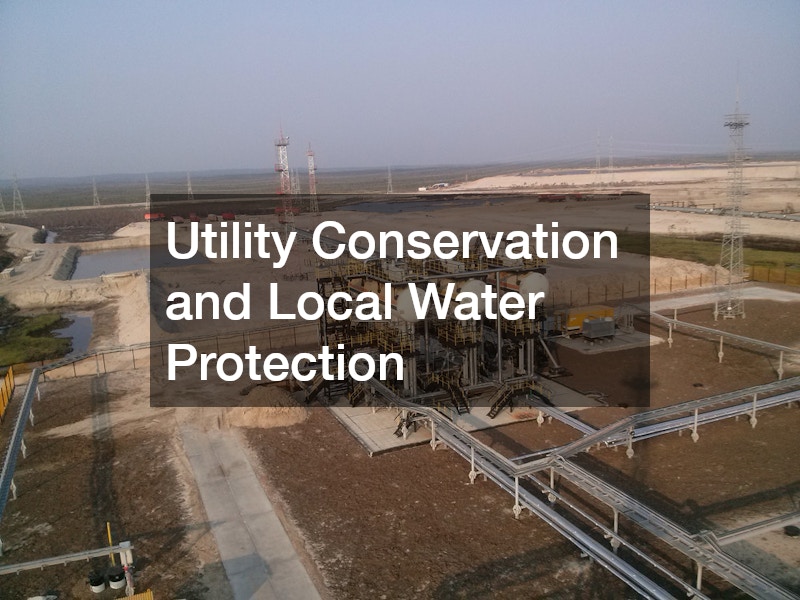
Sustainable facility management extends well beyond the floor of the main building. Commercial sites rely heavily on groundwater management, proper drainage, and efficient utility systems to protect surrounding ecosystems, maintain operational continuity, and prevent resource waste. As regulatory bodies enforce stricter guidelines on water use and environmental discharge, taking a holistic approach to outer-site infrastructure becomes just as critical as internal energy management.
Commercial facilities that rely on well water or specialized groundwater infrastructure must prioritize system efficiency. Working with certified local water pump services ensures that extraction systems operate at peak efficiency without over-pumping local aquifers or draining excessive power. Routine maintenance on deep-well pumps, pressure tanks, and variable-frequency drives (VFDs) prevents catastrophic pump failures, eliminates hidden underground leaks, and significantly reduces energy consumption across municipal or private site utilities. Integrating smart monitoring technology onto these extraction points gives facility managers real-time data on drawdown levels and flow rates, allowing them to optimize pump cycles during off-peak energy hours to further curb utility expenses.
Proper site management also involves monitoring runoff and preventing industrial discharge from reaching surrounding soil or groundwater tables. Regular inspection of on-site water retention setups, permeable paving systems, and retention ponds guarantees that stormwater is safely managed and that the local community’s water table remains safe and unpolluted. Implementing oil-water separators and advanced filtration media near loading docks or heavy equipment areas creates a critical defense mechanism against accidental spill contamination, keeping the facility compliant with environmental standards.
Ultimately, these proactive subterranean and exterior management practices safeguard a company’s balance sheet alongside its environmental reputation. Undetected leaks or inefficient pumping networks can quietly inflate utility costs by thousands of dollars each month, while accidental contamination incidents lead to severe regulatory fines and reputational damage. By embedding strict maintenance schedules into civil and water infrastructure operations, facility owners lower long-term capital expenditures, build resilience against local water scarcity, and demonstrate a genuine commitment to environmental stewardship that extends far beyond the front door.
Cleaner Fleet Operations and Logistics Management
Heavy logistics, material transport, and executive transit represent a substantial portion of a commercial enterprise’s total emissions profile. Greening a facility means tackling both stationary emissions and mobile carbon footprints head-on, addressing the operational reality that moving goods and people across global supply chains often creates the largest environmental burden a company carries.
Commercial fleets relying on heavy-duty diesel trucks, generators, or material handlers face increasingly strict regulatory emissions standards alongside rising public accountability. Partnering with a specialized diesel particulate filter service maintains fleet health while suppressing harmful diesel particulate soot, unburnt hydrocarbons, and nitrogen oxides before they exit the exhaust stack. Over time, soot accumulates within filter substrates, restricting exhaust flow, increasing backpressure, and forcing engines to work significantly harder just to maintain baseline output. Regular thermal cleaning, pneumatic blowing, and proactive maintenance of these filter systems restore engine efficiency, boost fuel economy, and ensure that transport fleets do not release unnecessary pollutants into local air basins. By keeping these systems operating at peak performance, logistics managers reduce unexpected roadside downtime, extend the operational life of expensive heavy machinery, and immediately curb Scope 1 tailpipe emissions.
For larger enterprises with international operations, remote facilities, or frequent executive travel demands, reducing overall travel footprints requires dedicated, expert oversight. Engaging experienced aviation consultants allows organizations to analyze executive travel paths, evaluate fuel-efficient flight routing, and transition toward sustainable aviation fuel initiatives. Aviation advisors perform detailed audits of flight departments, identifying inefficiencies like unnecessary empty-leg positioning, suboptimal cruising altitudes, and excessive fuel burn during ground taxiing. Optimizing flight schedules, utilizing modern airframe technologies, or auditing third-party charter fleets minimizes overall fuel consumption and directly aligns corporate logistics with broader Scope 3 supply chain reduction goals.
When organizations combine rigorous particulate maintenance on the ground with data-driven flight optimization in the air, they transform corporate sustainability from a abstract target into an actionable operational standard across all transportation channels.
Diverting Commercial Waste Streams
Every commercial facility generates waste, but green facility management redefines waste as a resource. Establishing clear waste-stream diversion programs ensures that operational byproducts are repurposed rather than dumped, turning daily environmental liabilities into long-term ecological and financial assets. By conducting comprehensive waste audits, facility managers can identify hidden opportunities within their daily refuse streams, setting measurable targets for reduction, reuse, and recycling that align with modern corporate sustainability goals.
Facilities that host large-scale commercial kitchens, employee cafeterias, or food processing lines generate substantial amounts of liquid waste and organic byproduct. Contracting for routine cooking oil removal turns a potential environmental pollutant into a valuable feedstock for renewable fuels. Converting used fats, oils, and grease into clean-burning biodiesel keeps heavy lipids out of municipal sewer lines—preventing costly infrastructure damage like fatbergs—while actively reducing reliance on traditional petroleum-based fuels and trimming a facility’s overall carbon footprint.
Specialized commercial or municipal properties—such as those managing historic grounds, memorial parks, or architectural masonry—face unique material disposal demands that standard recycling channels simply cannot handle. Partnering with a dedicated headstone service or specialized stone reclamation provider ensures that natural granite, limestone, and marble waste from repairs or structural updates is repurposed into crushed aggregate, landscape gravel, or structural fill rather than discarded in landfills. This approach preserves finite natural rock resources, reduces energy-intensive quarrying demands, and closes the loop on specialized trade waste.
Ultimately, integrating these targeted diversion strategies transforms routine property maintenance into a proactive driver of the circular economy. Whether managing organic food waste, hazardous liquid effluents, or heavy construction debris, adopting specialized recovery networks protects surrounding ecosystems, lowers waste hauling costs, and demonstrates a tangible commitment to sustainable stewardship.
Bidding Advantages for Green Facilities
Systematically updating facility operations to meet eco-friendly standards offers more than just utility savings—it directly opens new commercial revenue channels. Corporate and public sector entities increasingly evaluate vendor sustainability metrics before awarding commercial contracts. In today’s market, sustainability has transitioned from a nice-to-have public relations asset into a core qualification metric that procurement teams weigh alongside price, reliability, and service level agreements.
Exemplary environmental performance strengthens a business when competing for a lucrative government contract. Public sector procurements frequently include strict environmental, social, and governance (ESG) criteria, awarding bonus scoring to vendors who demonstrate low operational footprints, clean supply chains, and robust waste diversion programs. When bidding on competitive RFPs where price margins between top candidates are razor-thin, those sustainability points often serve as the decisive differentiator that secures the contract.
Beyond municipal and federal bids, private enterprise procurement has undergone a similar transformation. Modern corporations are under intense pressure from shareholders, regulators, and consumers to reduce their overall carbon footprint. Because a company’s total impact includes its entire value chain—often captured in Scope 3 emissions—corporate buyers actively seek out vendors whose operational efficiency helps lower their own reporting burden. By modernizing facilities with energy-efficient HVAC systems, high-efficiency LED lighting, smart building automation, and aggressive water conservation practices, companies present themselves as turnkey partners who seamlessly align with a client’s broader ESG goals.
Furthermore, eco-friendly facilities elevate overall brand value and trust, making client retention significantly easier. Commercial clients are far less likely to churn when their operational partners reinforce their own public-facing sustainability commitments. Rather than viewing facility retrofits as an isolated operational expense, forward-thinking leaders treat these upgrades as a proactive investment in sales enablement—positioning the business to capture emerging market share, command premium contract value, and secure long-term commercial relationships in an eco-conscious economy.
Auditing Facility Operations Across Key Departments
To put this roadmap into practice, facility leaders should execute a phased audit starting with physical infrastructure and moving through core production and logistics channels. Phase one begins with structural safety and manufacturing efficiency. Facilities teams must prioritize hazard mitigation by handling lingering environmental risks like asbestos containment, while simultaneously steering scrap metals into dedicated steel recycling streams. On the production floor, shop managers can curb power consumption and material waste by integrating advanced machinery, such as a modernized cnc machine, alongside an energy-smart robotic welding service.
Phase two focuses on site utilities and fleet transport. Plant managers should audit groundwater systems with certified local water pump services to streamline extraction efficiency and eliminate power drain. On the logistics side, fleet maintenance directors can sharply reduce soot and emissions by maintaining strict schedules with a certified diesel particulate filter service. For high-level corporate travel, executive leadership can partner with expert aviation consultants to trim route redundancies and evaluate sustainable aviation fuel options.
Phase three completes the audit by establishing long-term circular waste streams and capturing commercial value. Purchasing officers can turn kitchen and cafeteria waste into biofuel through routine cooking oil removal, while properties with specialized stone infrastructure can rely on a dedicated headstone service to recycle masonry waste into aggregate. Aligning these internal operations not only reduces environmental impact and operating overhead, but it also elevates your operational profile when bidding on a sustainability-focused government contract.
