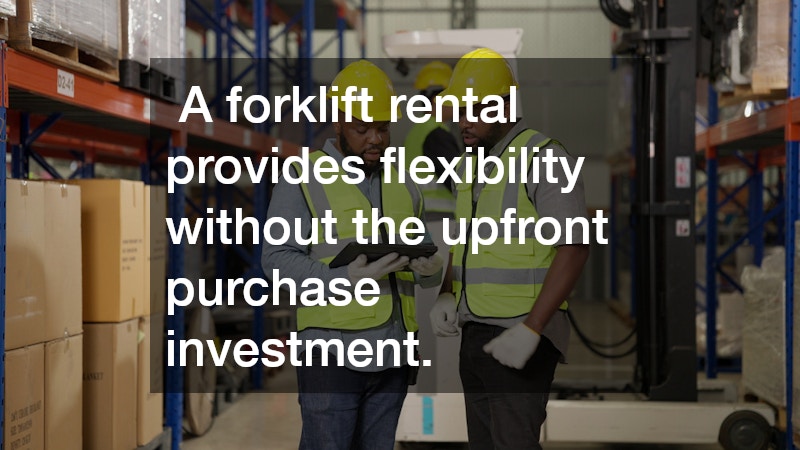
In logistics and material handling, forklifts enhance operational efficiency. A forklift rental provides flexibility without the upfront purchase investment. This guide covers the rental process, types available, selection criteria, costs, safety requirements, and choosing a reliable rental company. By understanding these key components, businesses can make informed decisions that align with their operational demands and budgets.
1. Types of Forklifts Available for Rent
1.1. Electric Forklifts
Electric forklifts are ideal for indoor use due to zero emissions and low noise. They are efficient with improved battery technology, compact for tight spaces, and beneficial for businesses focusing on reducing their carbon footprint. Additionally, their quiet operation can be essential in environments where noise reduction is a priority.
1.2. Diesel Forklifts
Diesel forklifts, known for power and durability, are suitable for outdoor heavy-duty use. They handle substantial loads and rough terrains well. While emissions are a concern, their reliability often prevails in heavy industries. It’s important to weigh these factors when deciding between fuel efficiency and environmental impact.
1.3. Warehouse Forklifts
Designed for indoor pallet handling and storage, warehouse forklifts come in various forms like narrow aisle and order pickers. They enhance storage efficiency. It’s essential to evaluate your facility’s aisle width and height for selection. Tailoring the forklift choice to these parameters can significantly improve operational flow.
2. Determining the Right Forklift
2.1. Load Capacity
Choose a forklift for your forklift rental based on load capacity to avoid accidents and damage. Evaluating the heaviest loads you handle and consulting rental experts will help find suitable options. This process ensures operational safety and stability in load handling.
2.2. Terrain and Environment
The operating environment affects forklift choice. Electric forklifts suit indoor settings, while diesel or gas models are better for rough terrains. Consider climate impacts on performance to reduce wear and tear. Environmental conditions can dictate maintenance frequency and operational lifespan, influencing rental decisions.
2.3. Operational Hours
Determine rental duration based on usage: short-term for flexibility or long-term for cost savings. Discussing operational needs with rental companies ensures cost-effectiveness and avoids unnecessary costs and downtime. Proper planning of operational hours maximizes efficiency and minimizes expenditure.
3. Rental Costs and Influencing Factors
3.1. Rental Duration
Duration is a primary cost determinant. Short-term rentals are pricier per day but offer flexibility; long-term rentals save costs daily. Define needs and negotiate terms to manage costs effectively. A clear understanding of your project timeline can leverage better negotiation with rental providers.
3.2. Type and Model
Newer forklift models with advanced features may cost more but offer efficiency and safety advantages. Older models might be more budget-friendly but less capable. Match model to task requirements for optimal use. Balancing feature needs with budget constraints is crucial for cost-effectiveness.
3.3. Additional Fees
Clarify delivery, pickup, and any extra fees, like attachments or penalty fees, upfront to avoid surprises. Knowing all costs ensures budgeting accuracy. Transparency in cost structures helps in precise financial planning and avoids unforeseen expenses.
4. Safety and Training Requirements
4.1. Operator Certification
Certified operators are required by law. Rental firms can provide or recommend training resources to ensure safe operation. Continuous training updates are vital to maintaining high safety standards and operational compliance.
4.2. Safety Features
Understand available forklift safety features like load indicators and auto braking. Ensure features match your safety needs for safe operation. Safety investments often lead to long-term savings by minimizing accident-related costs.
4.3. Regulatory Compliance
Adhere to local laws on emissions and safety. Rental providers offer guidance but adherence is the renter’s responsibility. Ensuring compliance is not just a legal requirement but enhances overall operational sustainability.
5. Choosing a Reliable Rental Company
5.1. Reputation and Reviews
Select reputable companies with positive reviews. Peer recommendations can provide insight into service quality and reliability. Longevity in the market often correlates with experienced service and knowledgeable support.
5.2. Service Range
Choose companies offering comprehensive services, including maintenance and flexible terms, for complete operational support. Businesses benefit from providers that act as partners in achieving strategic success beyond mere rental transactions.
5.3. Customer Support
Reliable customer support ensures quick issue resolution. Maintenance should cover routine checks and repairs to ensure safety and reliability. Proactive support services can prevent unnecessary disruptions and foster smoother operations.
Renting a forklift involves understanding types, costs, and compliance factors to meet operational needs safely and efficiently. Partner with reputable rental firms for quality service and guidance, turning the process into a strategic operational advantage. Comprehensive evaluation and strategic supplier partnerships yield long-term benefits and ensure operational resilience.