
Scrap metal recycling is an environmentally and economically beneficial practice. It helps reduce landfill waste, conserves natural resources, and provides a source of income for many individuals and businesses. Understanding the nuances of successful scrap metal recycling can significantly enhance your impact and efficiency in this field.
How Can I Identify and Differentiate Various Types of Scrap Metal?
Understanding Common Metal Types
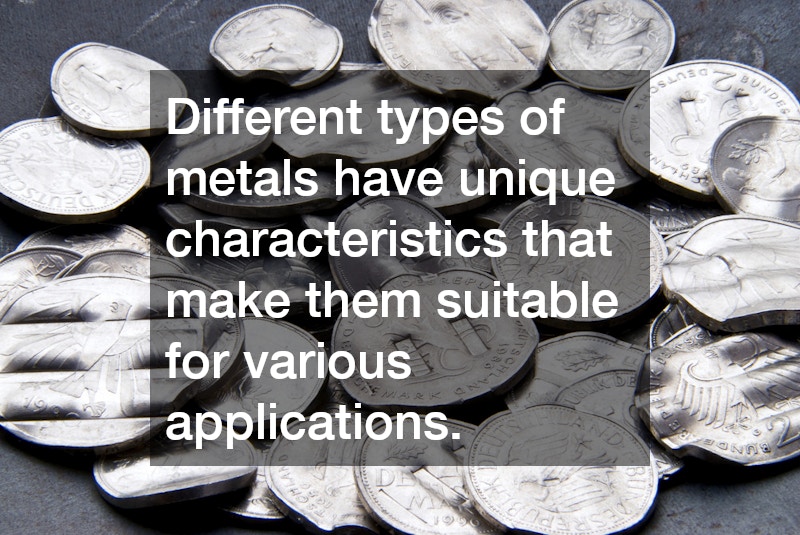
Different types of metals have unique characteristics that make them suitable for various applications. Learning to identify metals such as aluminum, copper, and steel is crucial for successful recycling.
Aluminum, known for its lightweight and corrosion resistance, is commonly used in cans and aerospace materials. Copper, with excellent conductivity, is often found in electrical wires and plumbing pipes.
Steel, characterized by its strength and durability, is a staple in construction and infrastructure projects. By understanding these metal types, you can easily spot valuable scrap metal in everyday items.
Using Tools and Techniques for Identification
To accurately identify scrap metal, you can use practical tools and techniques. Magnets are one of the most basic tools that can help determine whether a metal is ferrous or non-ferrous.
Non-ferrous metals like copper and aluminum are not magnetic, while ferrous metals like steel will stick to a magnet. Another technique is the file test, where you file a small section of the metal to observe its color and texture.
For instance, the reddish hue of filed copper differentiates it from other metals. These identification methods ensure you can sort metals correctly, increasing the recycling value.
What are the Best Practices for Collecting and Storing Scrap Metal?
Collection Strategies for Maximum Efficiency
Efficient collection strategies can significantly impact the profitability of your scrap metal recycling efforts. Building a network with businesses likely to have metal waste, such as construction companies and electronics manufacturers, provides a steady scrap supply.
Participating in local community clean-up drives can also yield significant amounts of metal. Furthermore, setting clear parameters for the types of metals you collect will streamline operations and eliminate unnecessary sorting later on.
By focusing on high-value metals and understanding the flow of waste in various industries, you can optimize the collection process. This approach amplifies both the economic and environmental benefits of recycling.
Safe and Effective Storage Solutions
Proper storage solutions are crucial for maintaining the quality and value of collected scrap metal. Storing metal in dry, covered areas prevents oxidation and contamination, which can reduce metal quality.
Sorting metals by type before storage also facilitates easier access and processing. Consider using bins and pallets to organize the metals, ensuring they are not exposed to damaging elements.
Safety is paramount, so ensure storage areas are secure to prevent theft and accidental injury. Integrating these storage practices maximizes the value you get when selling the recycled metals.
Where Can I Sell Scrap Metal for the Best Prices?
Researching Local and Online Scrap Buyers
Identifying reliable scrap buyers is essential for achieving the best prices. Begin by researching local buyers, checking their reputation through reviews and testimonials from other sellers.
Many local buyers offer competitive rates due to decreased transportation costs. However, online platforms have expanded options for sellers, providing access to a wider range of buyers who might offer higher prices.
Platforms like scrapyard directories and dedicated online scrap marketplaces simplify the process of finding trustworthy buyers. Evaluating multiple options ensures you find the best opportunities to maximize profit from your scrap metal.
Negotiating Better Prices for Maximum Profit
Negotiation plays a critical role in scrap metal sales, influencing your overall profit margin. Understanding the current market prices for different metal types provides a basis for negotiation.
Approach negotiations with a clear understanding of the metal’s quality and quantity, leveraging these factors to secure better deals. Establishing long-term relationships with buyers can also lead to favorable terms and conditions.
By honing your negotiation skills and staying abreast of market trends, you can consistently sell scrap metals at optimal prices. This increases the sustainability of your recycling business while making a positive environmental impact.
Successful scrap metal recycling entails understanding the types of metals, employing effective collection and storage practices, and knowing where and how to sell them for profit. By following these essential tips, you can not only contribute to environmental conservation but also optimize your recycling endeavors for economic benefits.